About me
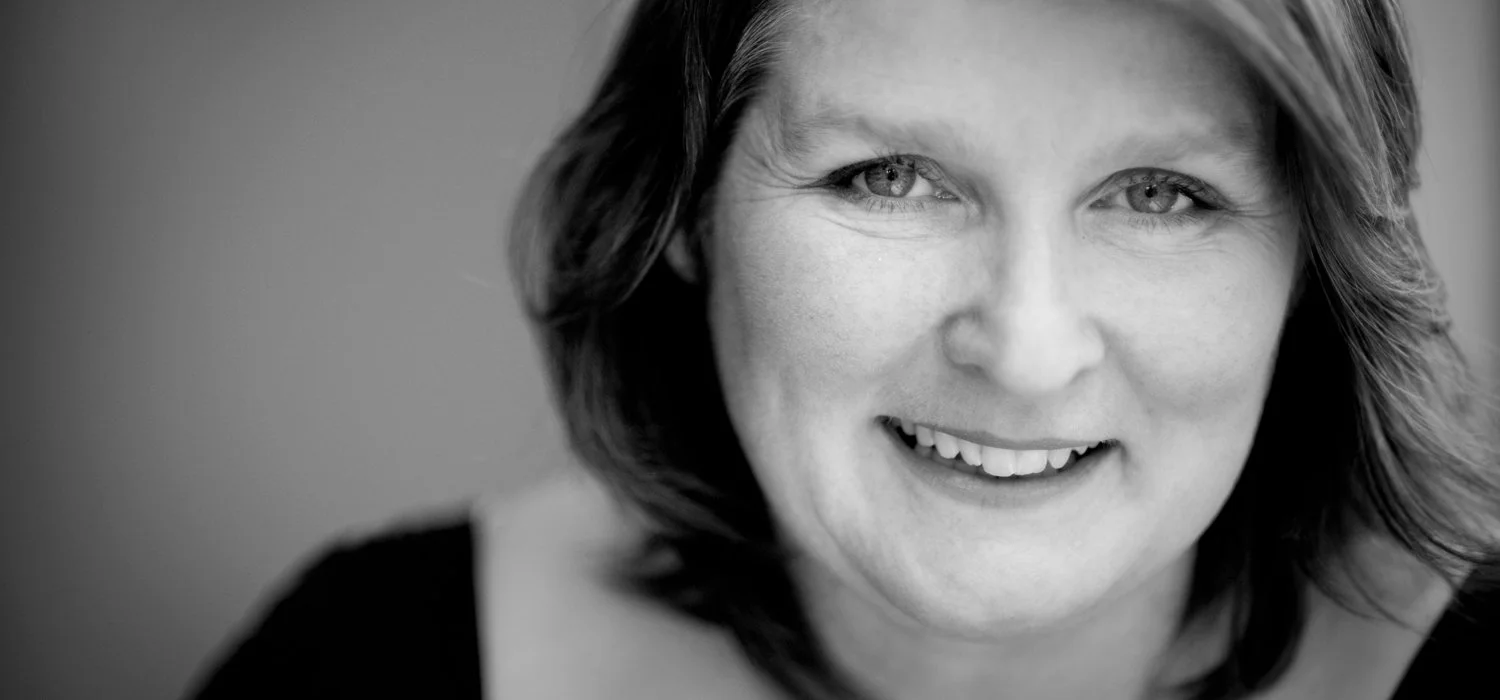
Kirsten Schötteldreier is an international Voice and Performance Coach from Germany, based in Amsterdam, the Netherlands. Kirsten was originally educated in classical singing at the Folkwang University of the Arts in Essen. After her studies, she worked with renowned singers like Brigitte Fassbender, Astrid Varnay and Galina Vishnevskaya. While she started her career as a classical singer, Kirsten has been teaching for the past 25 years, further becoming an internationally engaged voice, performance and production coach in the past decade.
Teaching method
Kirsten has developed her own teaching method called the Authentic Voice Method. It combines traditional vocal techniques such as Bel Canto and Functional Voice Training with transformative breathing techniques and motion sequences, drawing inspiration from Qigong through a system of coordinated body posture, movement, breathing, and meditation.
Qigong is rooted in Chinese philosophy, medicine, and martial arts, and is traditionally used for many different purposes — from exercise and relaxation to self-healing and meditation. Kirsten first came into contact with Qigong for personal health reasons, and soon learned that the positive effects it had on her own wellbeing were also improving her breathing and vocal qualities. After participating in multiple intensive Qigong courses at the Shaolin Wahnam Institute in Malaysia, Italy, Spain, and Russia, she was trained in advanced Qigong and Tai Chi exercises and techniques.
Kirsten integrates these techniques by guiding people to use adapted exercises to loosen their fine muscular system, bringing them into a state of groundedness, relaxation, and focus. The method has a certain playfulness to it, and is designed to bring a person into a natural state of "flow." The effect of this is that people enter a harmonized state of mind which allows them to focus more on their own voice and become less distracted by the world around them and their own thoughts.
While Kirsten has mostly learned that these techniques function as they do through practice and experience, there is also a philosophical basis for them. Within the philosophical school of thought of Taoism, there exists the idea that human behaviour must be kept in balance with the cycles of nature — in essence, becoming one with the unintended rhythms of the all. When translating this to vocal techniques, the idea is that singers enter a state of mind that unlocks their potential skills and helps them use their voice in a more natural way.
Students learn techniques that are easily applicable when applied consistently, which constantly returns them to this state of mind in which vocal training becomes easier. These techniques also offer them support in stressful situations, such as during performances or when vocal problems occur. Furthermore, Kirsten's method attempts to relieve excessive pressure off the vocal cords and instead incorporates the whole body into the singing. This lifts certain vocal restrictions and allows the student to grow their voice sustainably and without harm to their instrument.
This has inadvertently led Kirsten to work more with singers who are developing into dramatic role types, as these roles are typically more straining on the voice. At the same time, it also benefits singers in more lyric role types, as they can more easily use the edges of their vocal chords and their head voice, having developed a more flexible breathing system to support it. For the same reason, they experience no more audible breaks between their registers.
“I am a big girl but I can still climb the steps fast and run and so should the voice.”